
Your iced Americano is gone. The ice has melted. The straw makes that defeated little sound at the bottom of the cup.
Nobody brings a bill; you paid before you sat down. Nobody asks whether you want another drink. Around you, one person is editing a presentation, two friends are dissecting a date, and someone by the window has been reading the same paperback since you arrived.
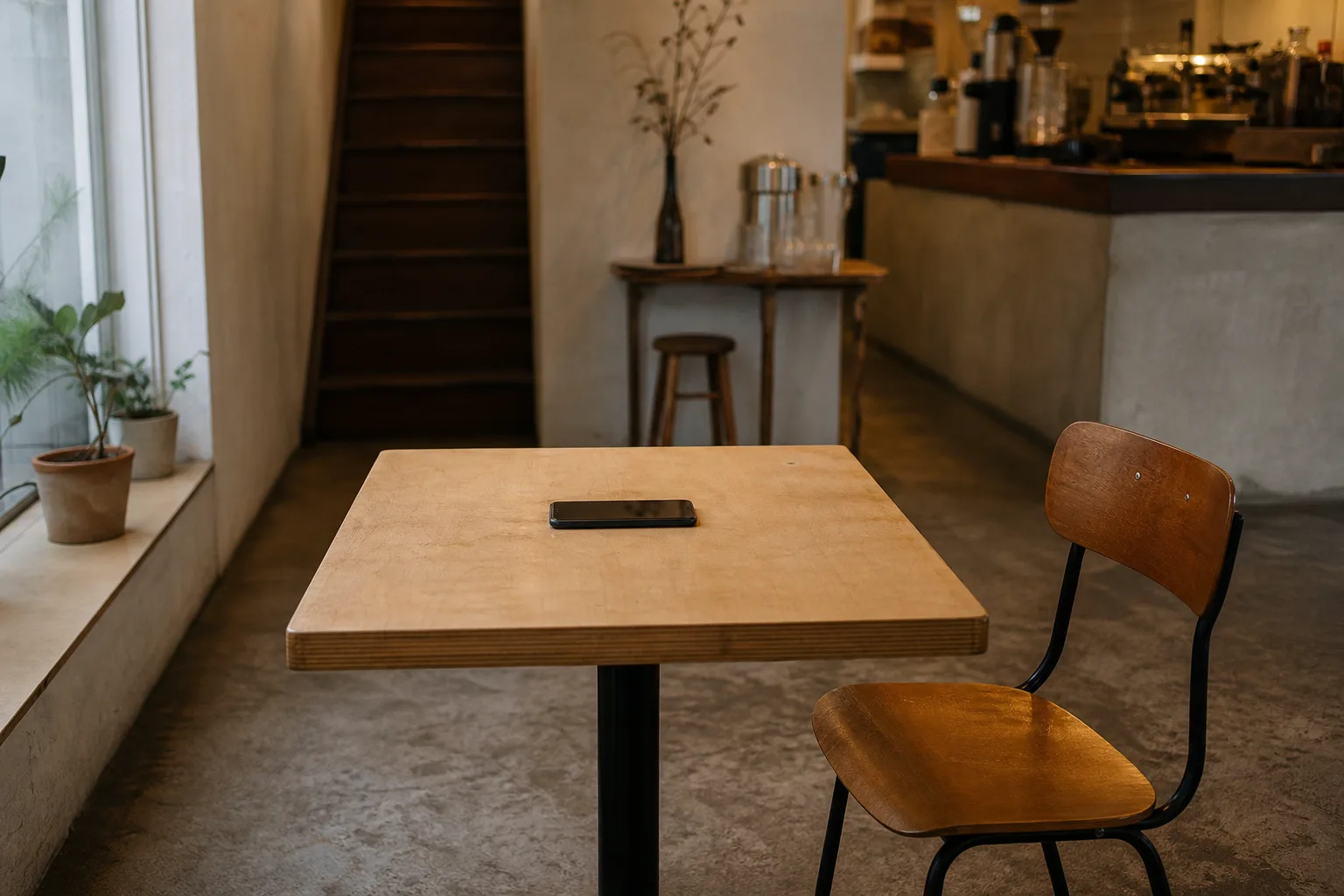
At the next table sits a phone. No person. Just a black rectangle in the middle of an otherwise empty table.
An hour passes. You are all still customers. The phone is still holding the table.
Seoul’s café map makes little sense if you think every pin marks a place that mainly sells coffee. Many do something more useful: they rent you a temporary room in the city. The drink gets you through the door. The room is what you are really paying for.
The phone is holding the table
In many Seoul cafés, finding a seat comes first.
Then you leave a claim: a jacket over the chair, a tote bag under the table, a book beside the window. Sometimes it is a phone or an open laptop — an object expensive enough to make a visitor nervous and ordinary enough that everyone else walks past it.
The object has stopped being an object. It is a sentence: someone is sitting here.
People go downstairs to order, step away to use the restroom, or take a call outside. Their things remain. The next customer reads the empty chair as occupied. It is partly confidence that the item will still be there and partly a shared way of making an invisible person visible.
It is the smallest room in Seoul: one table, held by a person temporarily out of sight.
The desk
You can recognize a work café before you taste anything. Deep tables leave room for a laptop and a cup. Outlets sit within reach. The chairs look survivable. The music keeps its voice down. Half the room is facing a screen, which is the closest thing a café has to a permission slip.
Korean has a word for what happens next: cagong (카공), a blend of café and gongbu, or study. The people doing it are cagongjok (카공족), the café-study tribe. The name sounds cute. The equipment is serious: laptop, tablet, charger, earphones, highlighter, perhaps a second drink positioned at a safe distance from the keyboard.
Lectors Lounge in Hongdae, pictured at the top of this article, is unusually honest about the job it wants to do. Rows of task lamps make its long window desk look like a reading room that happens to serve espresso. Its public Place profile describes single seats for solo work, larger tables for collaboration, a room for groups, power at the seats, Wi-Fi, and even monitors on the second floor. Visitors we checked described coming to read, study, work, wait for someone, or stay for a couple of hours.
A wall outlet looks like a minor amenity until your hotel room has one usable chair and a desk already occupied by a kettle. Then the outlet becomes an extension of the lease.
A quiet weekday morning can make the communal table feel like yours. As seats fill, the same table starts measuring how much space your charger, coat, and second notebook occupy.
The hero image is an AI-enhanced upscale of a public image from Lectors Lounge’s Naver Place listing.
The stage
Some cafés make you part of the scenery.
At Onion Anguk, the visit starts before the first sip. You step through a hanok, carry a tray past old rooflines, and decide whether floor seating is charming enough to forgive what it will do to your knees. In the courtyard, coffee is something people arrange.
The bread has stage presence too. The powdered pandoro looks less like a pastry than a small mountain that has been informed it is winter.
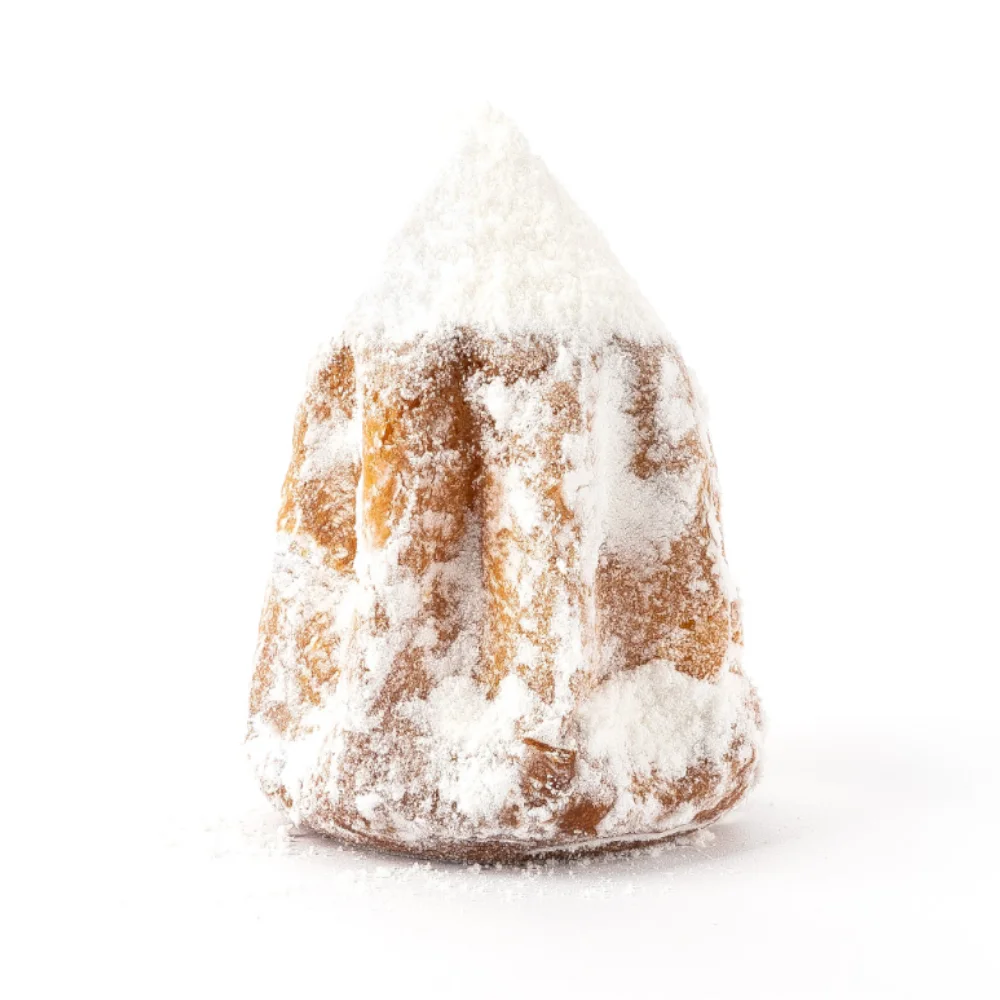
The camera is part of the room’s job. Seoul cafés let people try on an atmosphere for the price of a drink: old Seoul, industrial Seoul, forest Seoul, minimalist Seoul, Seoul as a place where your afternoon appears to have an art director.
Come for the setting; everyone else did too. The early hours carry the quietest version of the courtyard, and the bread is part of the reason it fills.
The big living room
Then there are cafés built at a scale that makes the word café feel too small.
At Daelim Warehouse Gallery, the old red-brick shell still looks capable of receiving machinery. Inside, black steel trusses hang above a small forest of tables. Daylight, trees, artworks, pastry cases, and the low roar of several dozen private conversations all share the same hall.
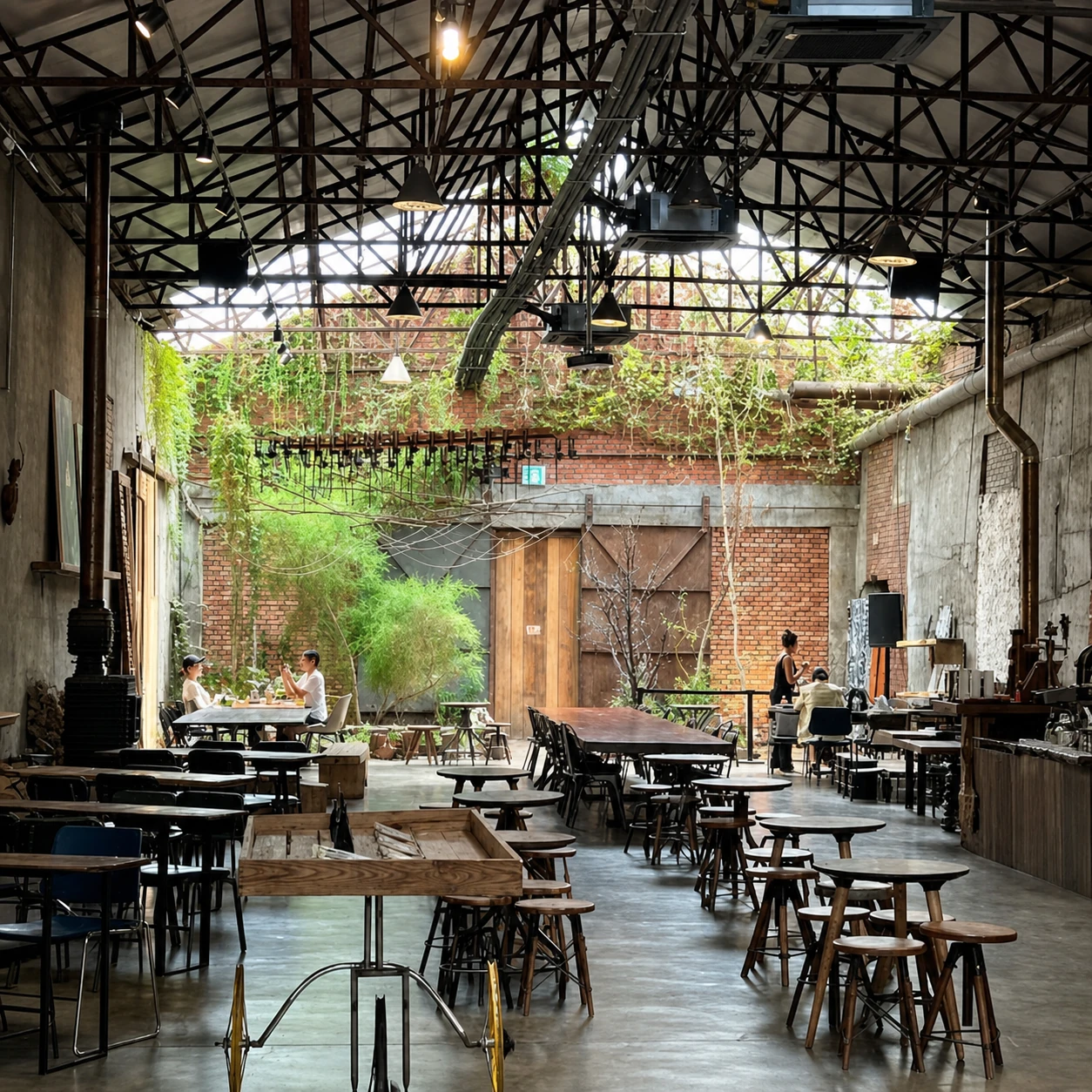
Its public reviews repeat the same collision: high prices, thick crowds, and a space people still want to see. That collision is the product. A large Seoul café can be bakery, gallery, meeting place, weather shelter, and tourist attraction in the same afternoon. You may arrive for an Americano and spend more time discussing the building.
Six people can each buy one drink and leave the hosting to the café. The apartment stays untouched; the group gets a living room.
The high ceiling gives a group room and returns every private conversation to the hall. Scale is the attraction and the acoustics.
The coffee bar
At the other end of the spectrum, some cafés shrink the room so the coffee can take up more space.
At Nakta Coffee Roasters in Seongsu, the public Place profile talks about coffee roasted daily and a rotating selection of seven or eight single beans. Visitor reviews change vocabulary accordingly: acidity, aroma, roasting, and hand drip. They repeatedly praise explanations and recommendations too.
A preference is enough: “bright and fruity,” “dark and nutty,” or simply “surprise me.” The conversation becomes part of the order.
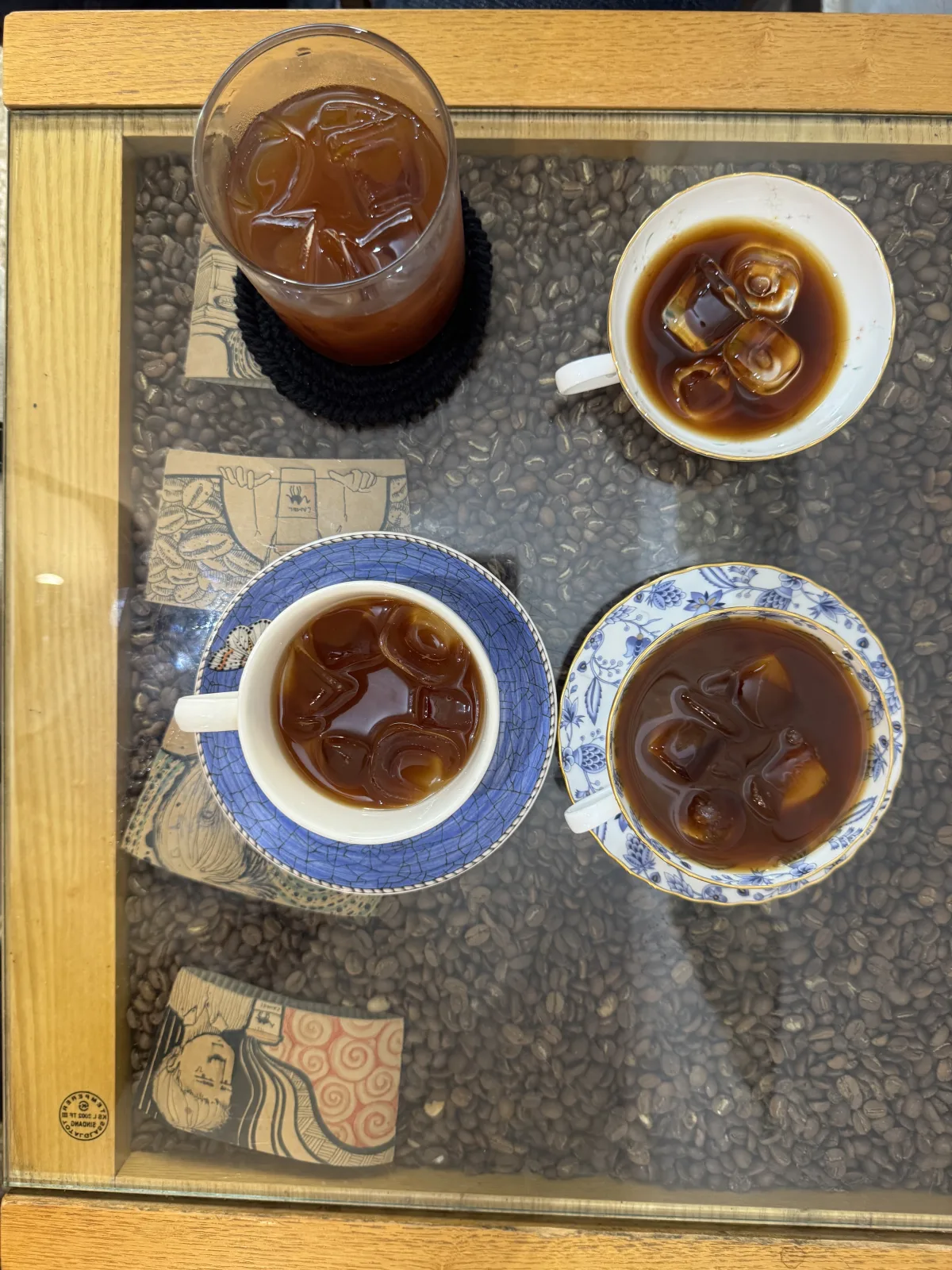
Sit close enough to watch. Try the filter coffee. Notice that two beans brewed by the same person can taste less like siblings than neighbors who happen to share a hallway.
At the bar, the square meters recede. For twenty minutes, someone else’s fixation takes over.
The iced Americano is the universal key
The menu is often a floor plan written in drinks.
A low-priced iced Americano, large tables, visible outlets, and a fast pickup counter usually point toward utility. A glass case crowded with elaborate cakes says dessert — and probably its photograph — is part of the visit. A short menu with several beans and brewing methods asks you to pay attention to the cup. A bowl of seasonal bingsu assumes, with some confidence, that you brought another person.
The iced Americano crosses every category. It can sit beside a laptop, wait under a hanok roofline, disappear into the scale of a warehouse, or become the baseline that makes a filter coffee taste stranger. It is the universal entry ticket.
Order an ah-ah (아아) if you want to use the local abbreviation, made from the first syllables of aiseu Americano (아이스 아메리카노). It appears during humid summers, bright autumns, and January mornings when the straw is colder than your hand.
That last group has a name: eoljuk-a (얼죽아), short for eoreojug-eodo aiseu americano — “iced Americano even if I freeze to death.” There is no membership card. Ordering one while wearing gloves is close.
Read the room before you rent it
Four hours can look normal in one café and absurd in the next. Some rooms quietly welcome a workday; in others, forty minutes feels generous because ten people are waiting outside.
The room usually tells you which one you entered. Laptops, books, deep tables, and outlets make time feel abundant. Tiny round tables and a line at the door make each finished cup visible. A courtyard full of moving phones favors looking around. A short bar facing the coffee equipment invites questions. A tray-return station asks you to close your own visit neatly.
The signals change by the hour. A nearly empty work table at 10 a.m. may become four people’s missing table at 2 p.m. One phone can hold one seat while its owner orders. Bags spread across four chairs send a different message once the room fills.
The room has already written its rules in furniture and body language. Look at who is there, what they are doing, and whether someone is waiting for the space you have stopped using. Choose the room first. Then move at its pace.
One cup later
The owner of the lonely phone returns with two iced Americanos. The phone slides into a pocket. A second person takes the chair. It was never abandoned; it was a placeholder for someone still on the stairs.
Your empty Americano is still on the table. The presentation across from you is finished. The date has survived another round. The paperback has finally moved by thirty pages.
Outside, Seoul is dense, fast, public, and measured closely in square meters. Inside, one drink has bought everyone a temporary claim: this table, this light, this hour.
The coffee was real. It just was not the whole purchase.
Sources: public Naver Place profiles, public listing images, and bounded visitor-review samples, checked July 20, 2026. Place images link to their listings; the Lectors Lounge and Daelim Warehouse images are AI-enhanced upscales of the linked public images, and the opening phone image is an AI-generated editorial illustration.